
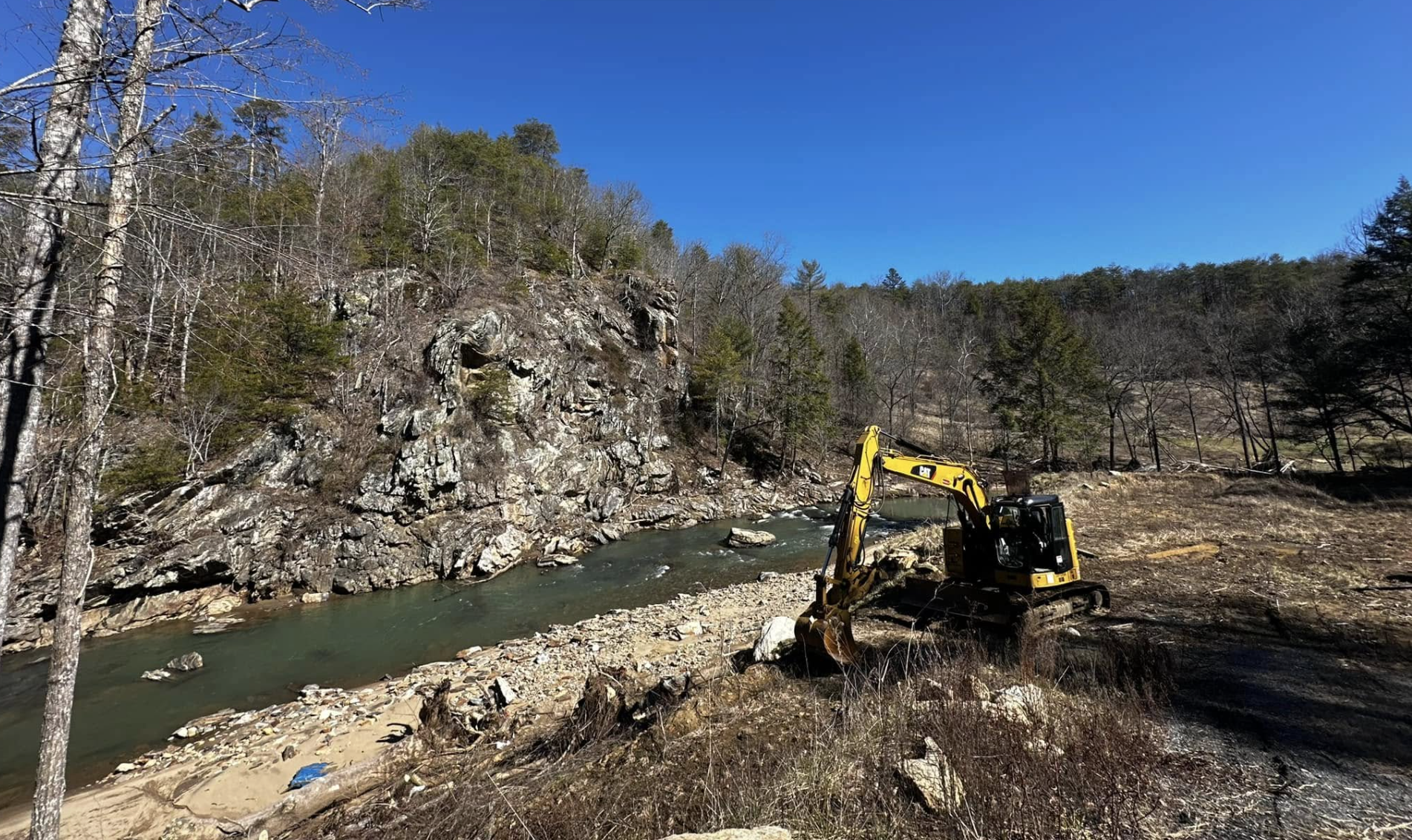
SELECTIVE CLEARING & TREE REMOVAL PREP SERVICES
Targeted clearing to remove specific trees and vegetation while preserving surrounding areas. Selective clearing prepares land for construction without unnecessary disturbance.
WHAT IS SELECTIVE CLEARING & TREE REMOVAL PREP?
Selective clearing and tree removal preparation involves removing designated trees and vegetation to open up specific areas of a property. This service focuses on precision rather than full clearing, allowing for controlled development and land use.
This approach is commonly used to prepare building sites, access routes, or utility paths while maintaining surrounding trees and natural features. Proper preparation ensures safe, efficient removal and minimal impact on the rest of the property.
SELECTIVE CLEARING & TREE REMOVAL PREP APPROACH
Selective clearing addresses properties that require targeted vegetation removal for development or access. This service is ideal when full land clearing is unnecessary or undesirable.
Our process begins with identifying areas designated for clearing. We then remove selected vegetation carefully, maintaining site integrity and preparing the area for the next phase of work.
This service is ideal for properties requiring:
Targeted tree and vegetation removal
Site preparation without full clearing
Controlled access or building areas
Reduced environmental disturbance
WHY SELECTIVE CLEARING MATTERS LONG-TERM
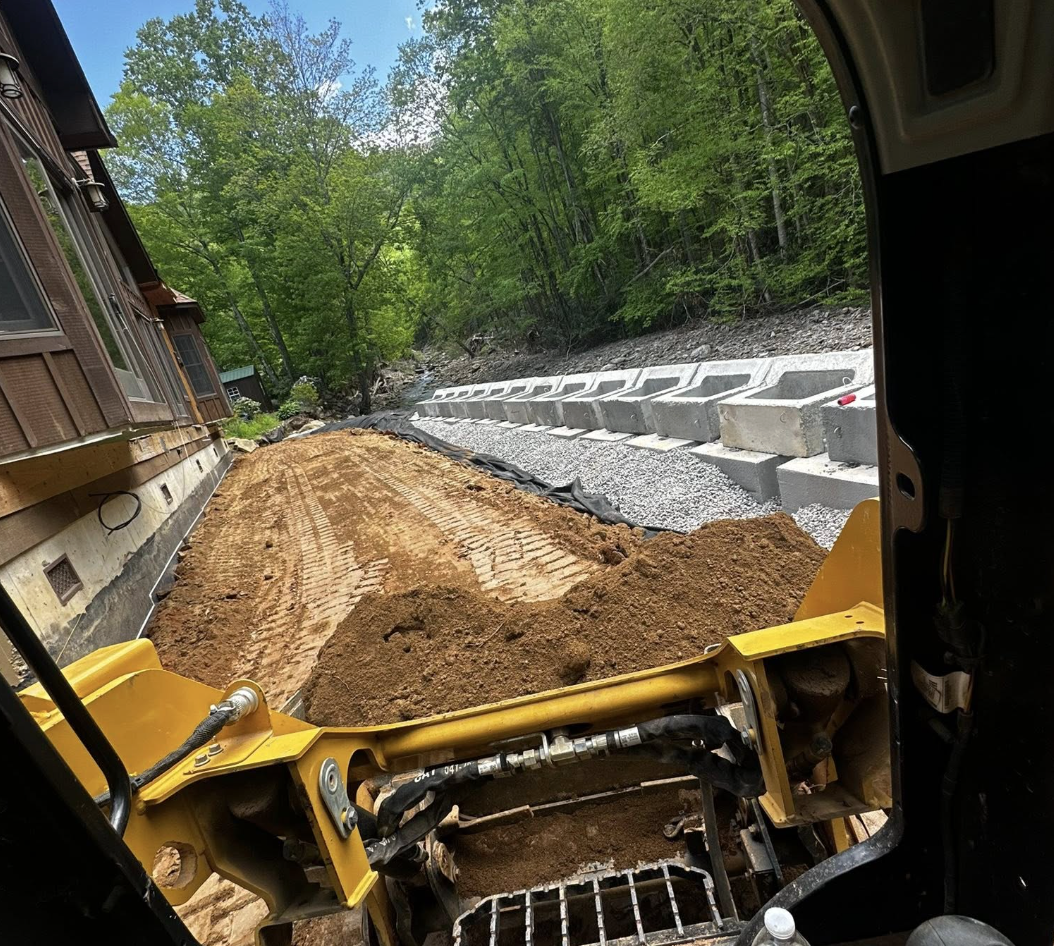
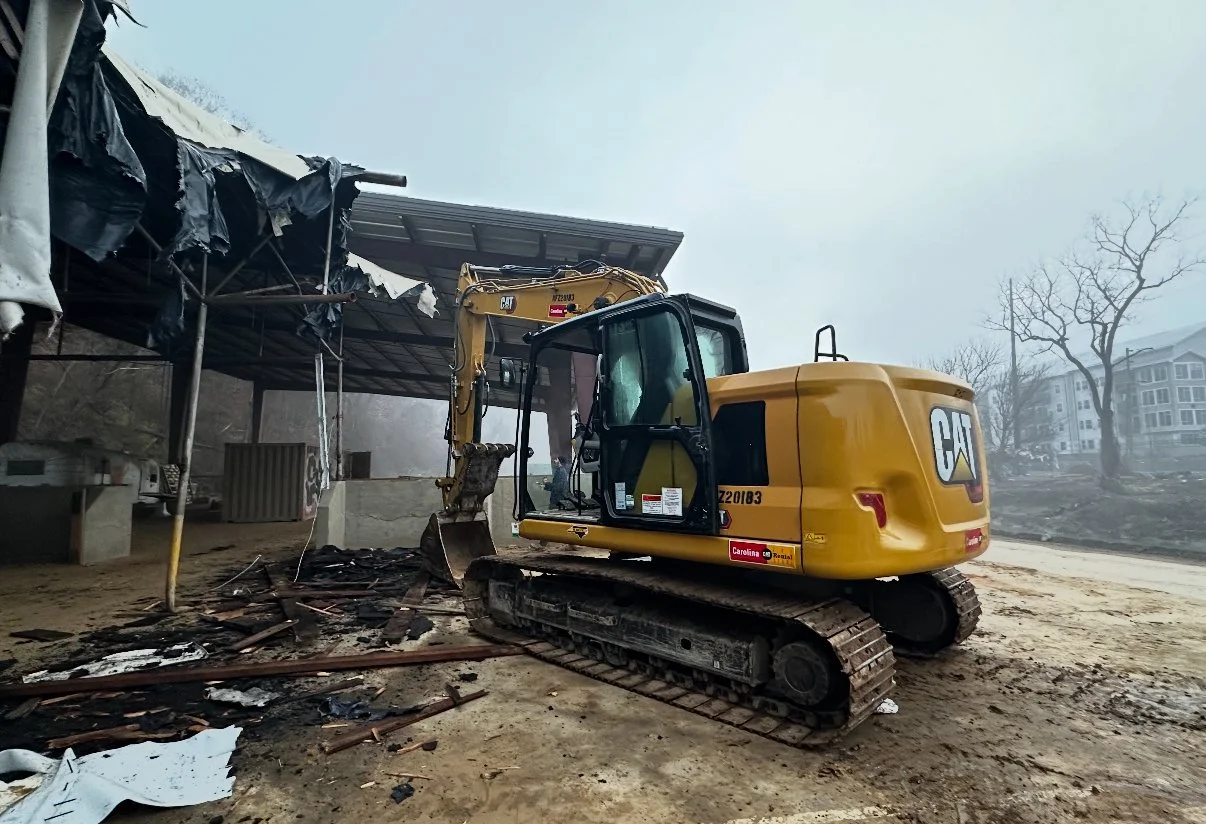
Removing only what is necessary helps preserve land value and reduces erosion and disturbance. Poorly planned clearing can lead to unnecessary damage and added costs.
Professional selective clearing ensures land is prepared efficiently while protecting the surrounding environment and future usability.